


To be able to prevent forklift abuse wherever possible, counterbalance lift truck operators are encouraged to take the following actions to keep the equipment running as safe as possible and to make certain that the driver remains safe.
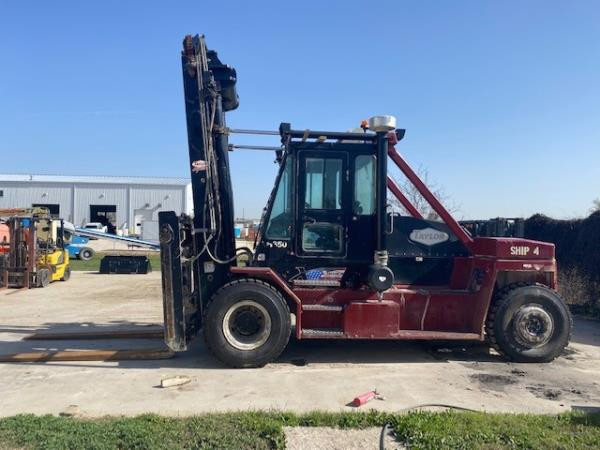
Tires: Tires must be replaced when they are missing chunks or are worn badly. If the tire is in rough shape, they can cause sharp jarring impacts to the operator, the axle components, to the wheel parts, and to the load itself. Demanding operations involve using proper tires for utmost performance of the lift truck. So as to be certain that your machinery has the proper tires, ask for an application survey from your local dealer.
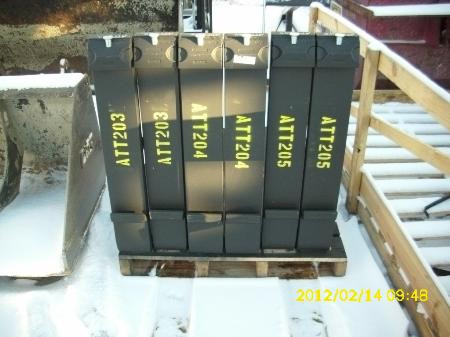
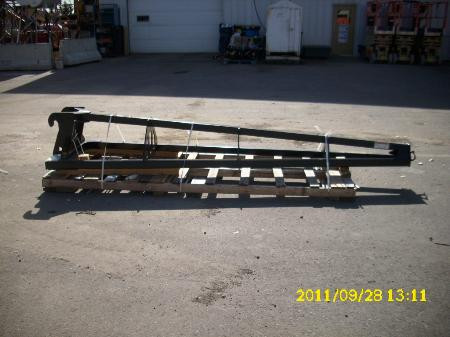
Forks: Operating a forklift with worn tires can add to the premature wearing of the bottom of the forks. This could greatly jeopardize the ability of the forklift's truck to lift, which could lead to a potentially dangerous work setting. Being sure to perform routine fork checks by in-house maintenance technicians and by operators has to happen regularly so as to make sure that your equipment is functioning at maximum capacity.
Transmission: Damage to the transmission system is a problem that is caused by operators who ride the inching pedal. To be able to avoid major component failure and breakdown, the inching pedal should ideally only be engaged when you are approaching a rack and when you want to apply the brakes while revving the engine. When the engine is revving, the hydraulics could work at full speed. When the hydraulics are not being utilized, the brake pedal is used for regular stopping of the truck.
Impact: Lift trucks will ultimately encounter many impacts with their environment and surroundings when driving at high speeds. Possible impacts may include the wheels, forks, tires, backrests and attachments. Following what operators drive which models by assigning machinery to an operator can help track who is responsible for the abuse to the machinery. By installing an impact monitor, a vehicle speed limiter or a keyless access system as alternatives on your lift truck could help you to really decrease impact damage.
Training: The key to making sure that your machine is properly maintained is ongoing and regular training. The machines users need to be on board with good maintenance and safety applications. It is required that all new operators are properly trained and know how to carry out the required checks every day so they can properly operate the equipment before using it.